
July 24, 2026
7 Things to Consider Before Remodeling Your Kitchen
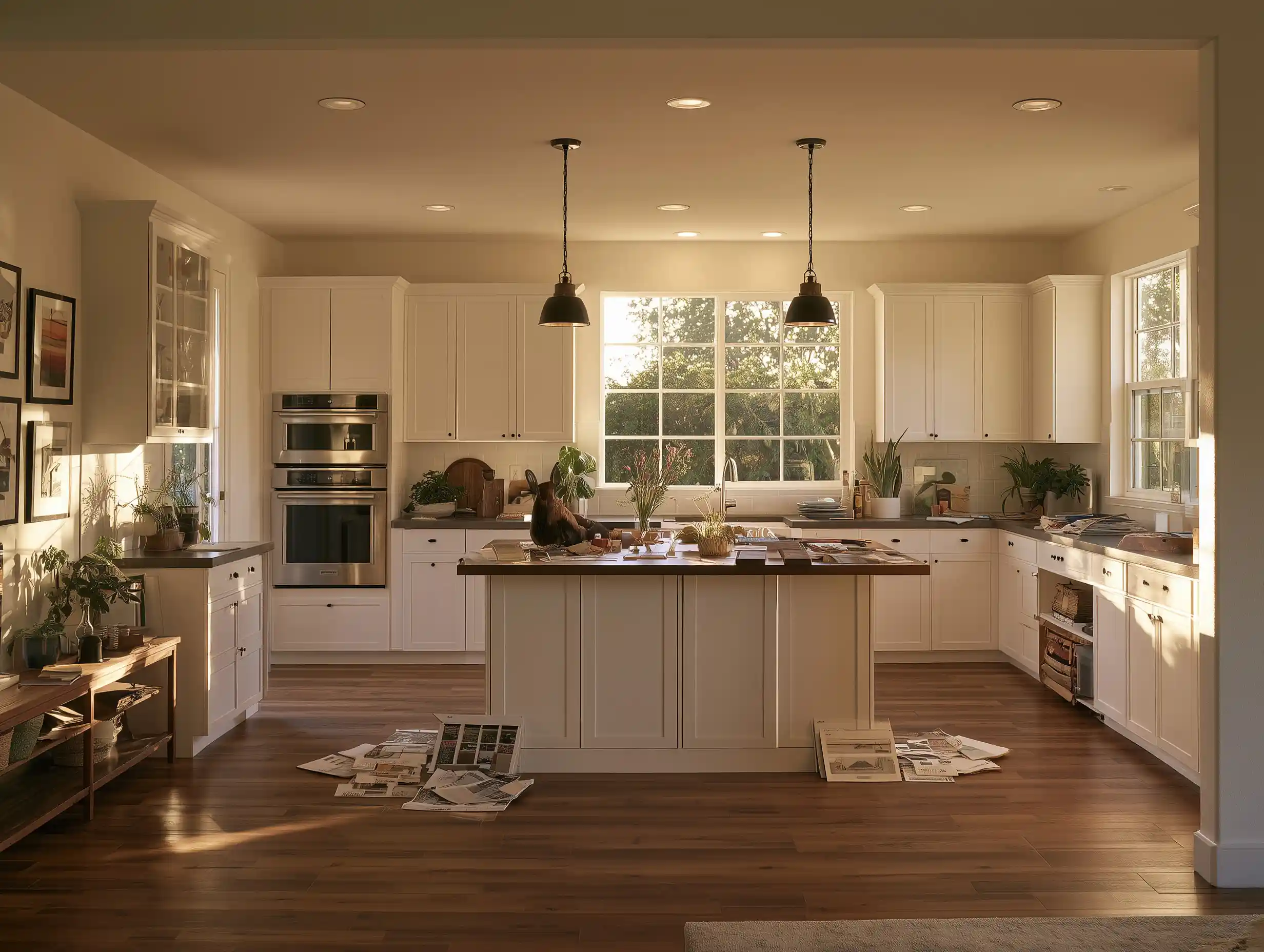
7 Things to Consider Before Remodeling Your Kitchen
A kitchen remodel can completely change how your home looks, feels, and functions. But before selecting cabinets, countertops, or appliances, it helps to think carefully about how you actually use the space.
The best kitchens aren't just visually appealing. They're planned around everyday routines, storage needs, movement, and the way people gather in the home.
1. How You Use Your Kitchen
Start with your daily routine. Think about how many people regularly cook, where groceries are unpacked, where small appliances are used, and whether the kitchen is also a place for dining, working, or entertaining.
Understanding these habits can help determine which improvements will have the greatest impact.
2. Your Existing Layout
Not every kitchen needs a completely new floor plan. Sometimes improving cabinetry, storage, lighting, or an island can make an existing layout work significantly better.
Other kitchens may benefit from moving appliances, opening a wall, expanding into an adjacent space, or changing the location of the sink.
Before making major changes, consider which parts of your current layout create problems and which are worth keeping.
3. Storage
Storage should be considered early rather than treated as an afterthought.
Think beyond the total number of cabinets. Consider where cookware, dishes, pantry items, small appliances, trash, and everyday essentials will actually be stored.
Features such as deep drawers, pantry cabinets, pull-out storage, and thoughtfully organized islands can make the kitchen easier to use without necessarily making it larger.
4. Your Kitchen Island
An island can provide valuable workspace, storage, and seating, but bigger isn't always better.
There should still be enough room to comfortably move around the kitchen and open cabinets and appliances. The island's size and placement should support the overall layout rather than interrupt it.
Depending on your needs, it may also incorporate a sink, dishwasher, electrical outlets, or additional appliances.
5. Lighting
A well-designed kitchen typically uses several types of lighting.
General lighting illuminates the room, task lighting makes work surfaces easier to use, and decorative fixtures can add character above an island or dining area.
Natural light should also be considered. Changes to windows, doors, or the surrounding layout can sometimes make the kitchen feel brighter without relying entirely on artificial lighting.
6. Materials and Finishes
Cabinetry, countertops, flooring, tile, hardware, and fixtures all contribute to the finished kitchen, but appearance shouldn't be the only consideration.
Think about durability, maintenance, and how each material will handle everyday use. A material that looks beautiful in a showroom may not always be the most practical choice for your household.
Selecting materials as part of one overall design also helps create a kitchen that feels cohesive rather than assembled one decision at a time.
7. Your Budget and Priorities
Few remodeling projects have an unlimited budget, which makes prioritization important.
Determine which improvements matter most to you. You may decide that custom cabinetry and a better layout are worth investing in while choosing more restrained finishes elsewhere.
Having these priorities established early makes it easier to make decisions as the design develops.
Plan Beyond the Finishes
It's easy to begin a kitchen remodel by thinking about colors, countertops, and cabinetry. But some of the most important decisions happen before those selections are made.
Start with how you want the kitchen to function. Once the layout, storage, lighting, and everyday experience are working together, the finishes can complete the space.
Schedule Your Consultation
Thank you! Your message has been received. Our team will be in touch soon.
Something went wrong while submitting the form. Please try again.
Recent Articles
Check out some of our other insightful articles for your home needs.

Ready to Start Your Remodel?
Tell us about your project and schedule a free consultation with our team.