
August 18, 2026
How to Plan a Home Remodel From Start to Finish
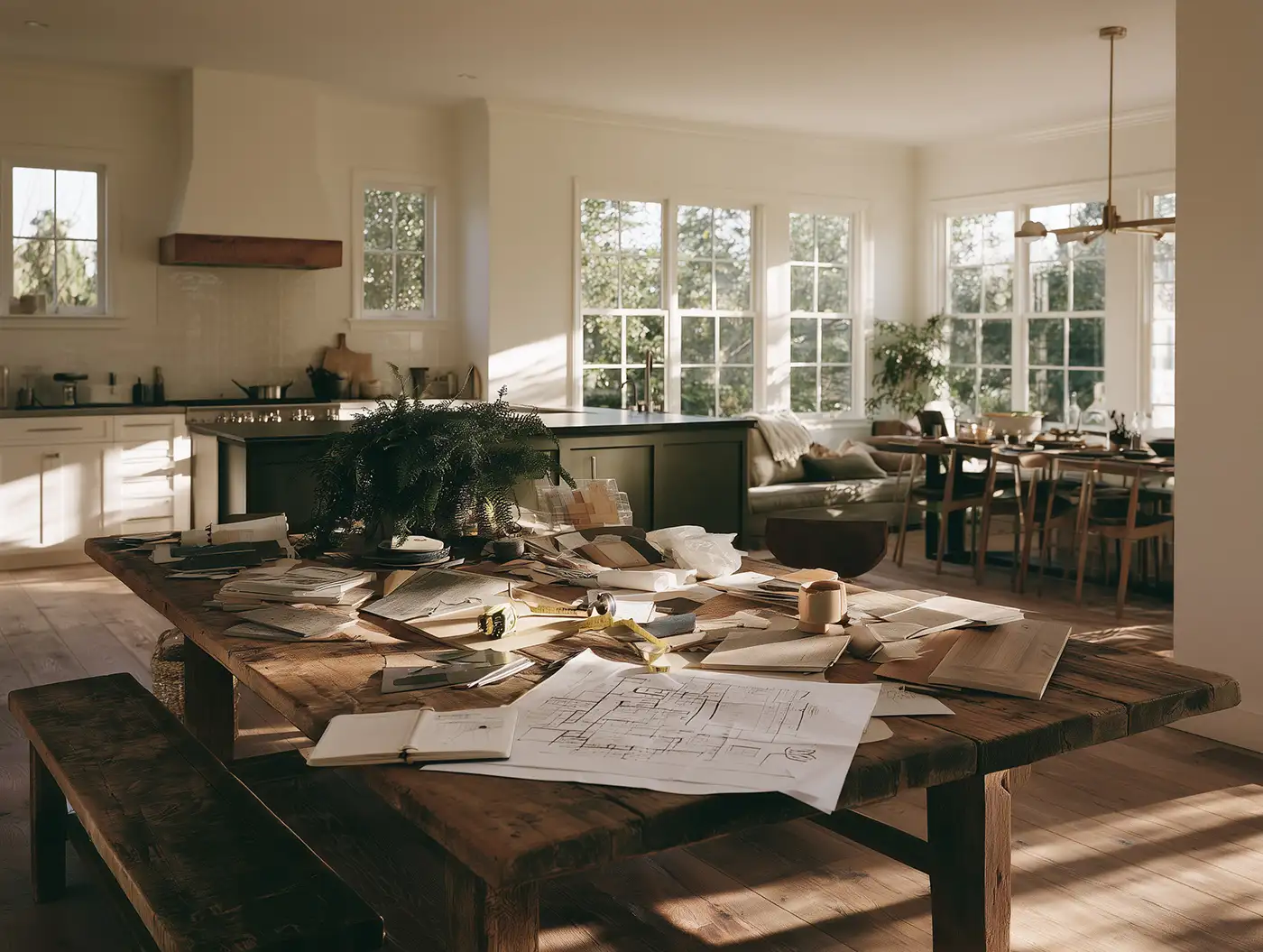
How to Plan a Home Remodel From Start to Finish
A successful home remodel starts long before construction begins. Taking the time to define your goals, understand your priorities, and make key decisions early can help create a smoother process and a finished home that works better for the way you live.
Whether you're updating a single room or planning a larger renovation, these are the major steps to consider as you move from the initial idea to the finished project.
1. Define Your Remodeling Goals
Start by thinking about what you want the remodel to accomplish. Consider what's currently working in your home, what isn't, and which improvements would make the biggest difference in your everyday life.
Your goals might include creating a more open layout, adding storage, updating outdated finishes, improving natural light, or creating additional living space. Establishing these priorities early gives the rest of the project a clear direction.
2. Establish a Realistic Budget
Before making detailed design decisions, determine how much you're comfortable investing in the project. Your budget should account for more than materials and finishes—it may also need to cover design, labor, permits, structural work, and other project expenses.
It's also helpful to leave room for unexpected conditions that may be discovered once construction begins, particularly when remodeling an older home.
3. Find the Right Remodeling Partner
The team you choose will have a significant impact on both the finished project and your experience getting there.
Look for a remodeling company with experience completing projects similar to yours. Review past work, ask about their process, and understand how they handle design, communication, scheduling, and construction.
A design-build team can simplify the process by coordinating design and construction under one roof rather than requiring you to manage several separate professionals.
4. Develop the Design
Once the project's goals and scope are established, the design process turns those ideas into a clear plan.
This stage may include developing layouts, selecting materials and finishes, planning lighting, choosing fixtures, and working through architectural details. Larger renovations may also require structural plans or other technical documentation.
Take the time to make these decisions carefully. Resolving important details before construction can help reduce changes and delays later.
5. Finalize the Scope and Schedule
Before work begins, you should have a clear understanding of what is included in the project and how construction is expected to progress.
Review the project scope, major selections, estimated timeline, and any preparations you'll need to make. Depending on the renovation, this might include clearing rooms, protecting belongings, creating a temporary kitchen, or arranging somewhere else to stay.
6. Prepare for Construction
Remodeling inevitably creates some disruption, but knowing what to expect makes it easier to plan around.
Discuss working hours, access to the home, dust protection, material storage, and how you'll receive project updates. For larger projects, understanding which areas of the home will remain usable throughout construction is particularly important.
Clear communication between you and your remodeling team should continue throughout the project.
7. Construction Begins
With planning complete, the project moves into construction. Depending on the scope, work may include demolition, framing, plumbing and electrical updates, drywall, flooring, cabinetry, tile, painting, and finish installation.
Some stages may appear to move quickly while others require more time behind the scenes. Regular communication with your project team helps you understand progress and address questions as they arise.
8. Complete the Final Walkthrough
As construction comes to an end, walk through the completed project with your remodeling team.
This is an opportunity to review the work, identify any final details that need attention, and learn about the care or operation of newly installed materials, fixtures, or features.
Once those final items are addressed, the project is ready to become part of your everyday home.
Start With a Clear Plan
The best remodeling experiences begin with thoughtful planning. Establishing your priorities, assembling the right team, and making important decisions before construction can help you move through the process with greater confidence.
A remodel is a significant investment in your home. Taking the time to plan it properly helps ensure the finished space doesn't just look better—it works better for the way you live.
Schedule Your Consultation
Thank you! Your message has been received. Our team will be in touch soon.
Something went wrong while submitting the form. Please try again.
Recent Articles
Check out some of our other insightful articles for your home needs.
Ready to Start Your Remodel?
Tell us about your project and schedule a free consultation with our team.